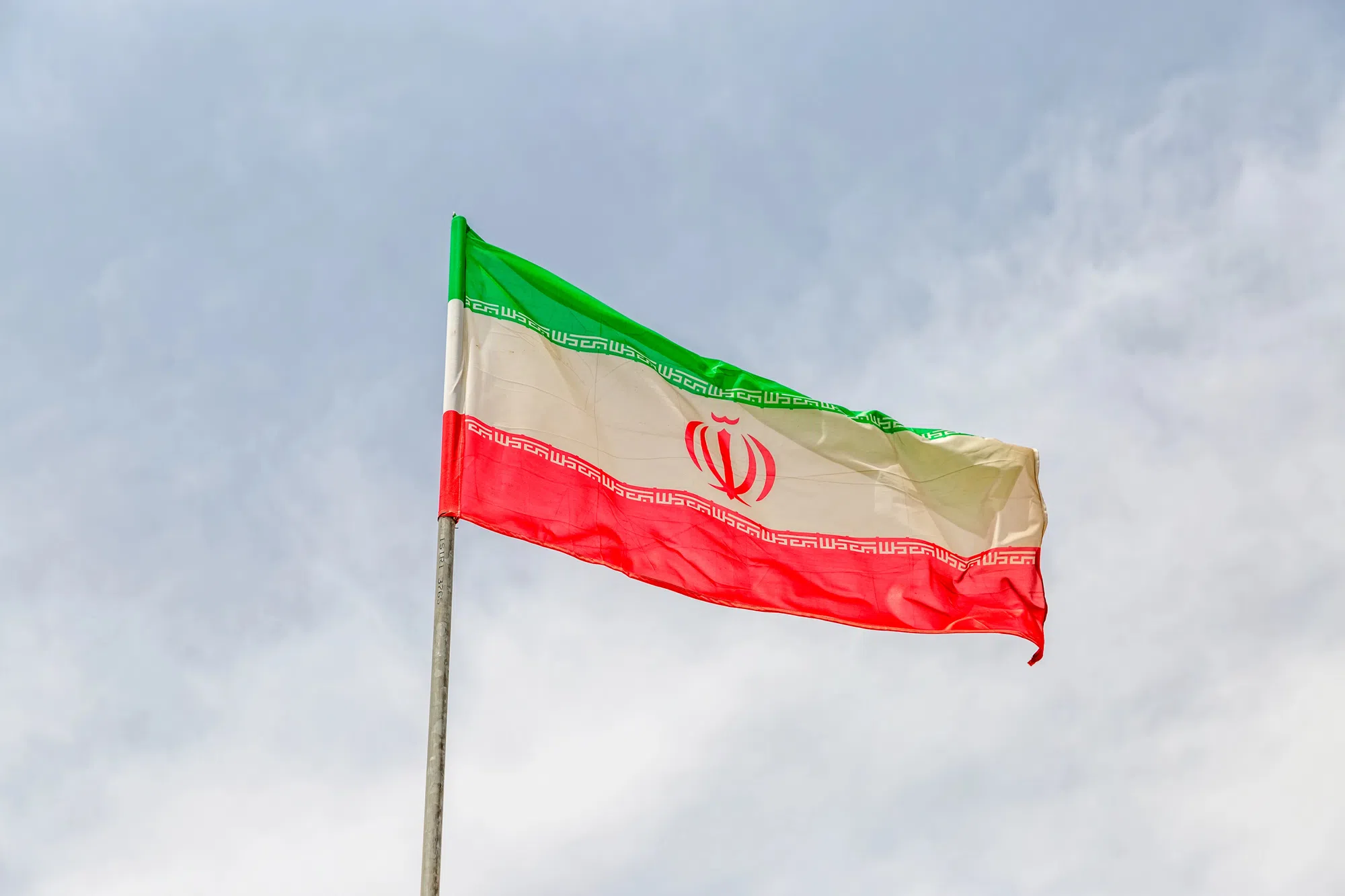
Talks between U.S. and Iranian officials ended in Islamabad without a deal, leaving a temporary ceasefire under added pressure. Officials said the negotiations stretched for roughly 21 hours before both delegations left Pakistan, with each side blaming the other for the deadlock. The main disputes remained Iran’s nuclear program and the future of shipping through the Strait of Hormuz.
Iranian authorities said the U.S. demands were too broad and did not create enough trust for an agreement. On the American side, Vice President JD Vance said Washington wanted clear assurances that Iran would not move toward a nuclear weapon. Pakistani officials, who hosted the meeting, called on both countries to keep the ceasefire in place despite the failed talks.
President Donald Trump also suggested a formal agreement was not essential, even as the negotiations were unfolding. The outcome leaves wider regional tensions unresolved, with instability continuing beyond the immediate ceasefire terms. For now, diplomacy remains open, but the gap between both sides is still significant.